
Therapy for children and teens in Stillwater, Minnesota.
A studio where children are met through making, movement, play, and conversation, alongside a licensed counselor.
Catching the Spark
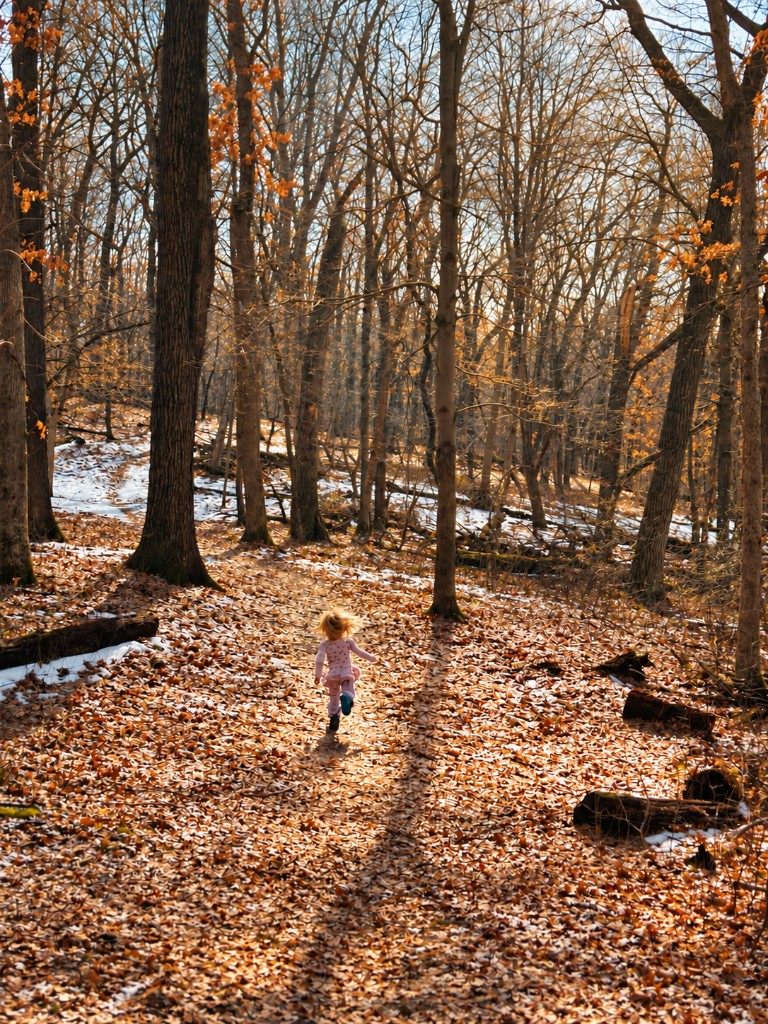
Every child carries a spark. Something alive, creative, and entirely their own. It is in there no matter what they are going through or how they are showing up right now.
A lot of growing up is learning to follow the rules, to subvert yourself to whatever is expected. For some kids this buries the spark under weight and worry. For others it is strong and simply needs somewhere wilder to land. But it does not go out.
I do not see children as things that need to be fixed or fit into a mold. My job is to pay attention, to really study the child in front of me, and to catch that spark when it shows itself. Then to tend it carefully, so it can grow.
What Kids Carry
Children and teens, ages 6 and up, come to The Stick Fort carrying all kinds of things. Some of what we work with:
- Anxiety and worry
- Depression and low mood
- Grief and loss
- Trauma and difficult experiences
- Life transitions: moves, divorce, new siblings, changing schools
- Family stress and life stressors
- Big feelings and emotional regulation
- Friendships, belonging, and self-esteem
- Neurodivergent kids, including ADHD and autism
Some children come with a clear reason. Others come because something just feels stuck, or because they need a place where they don't have to find the words first. Both are welcome here.
How It Helps
Many children struggle to talk about what they're feeling. They may shut down, act out, or carry things they don't yet have words for. Here, they have other ways in: paint, clay, building, movement, play, and, when they're ready, conversation.
Over time, children and teens in therapy here often:
- Understand and manage their feelings more easily
- Feel calmer, steadier, and more like themselves
- Find ways to express what's been hard to say
- Build confidence, flexibility, and trust in their own ideas
- Feel truly seen, by someone paying close attention
What Sessions Are Like
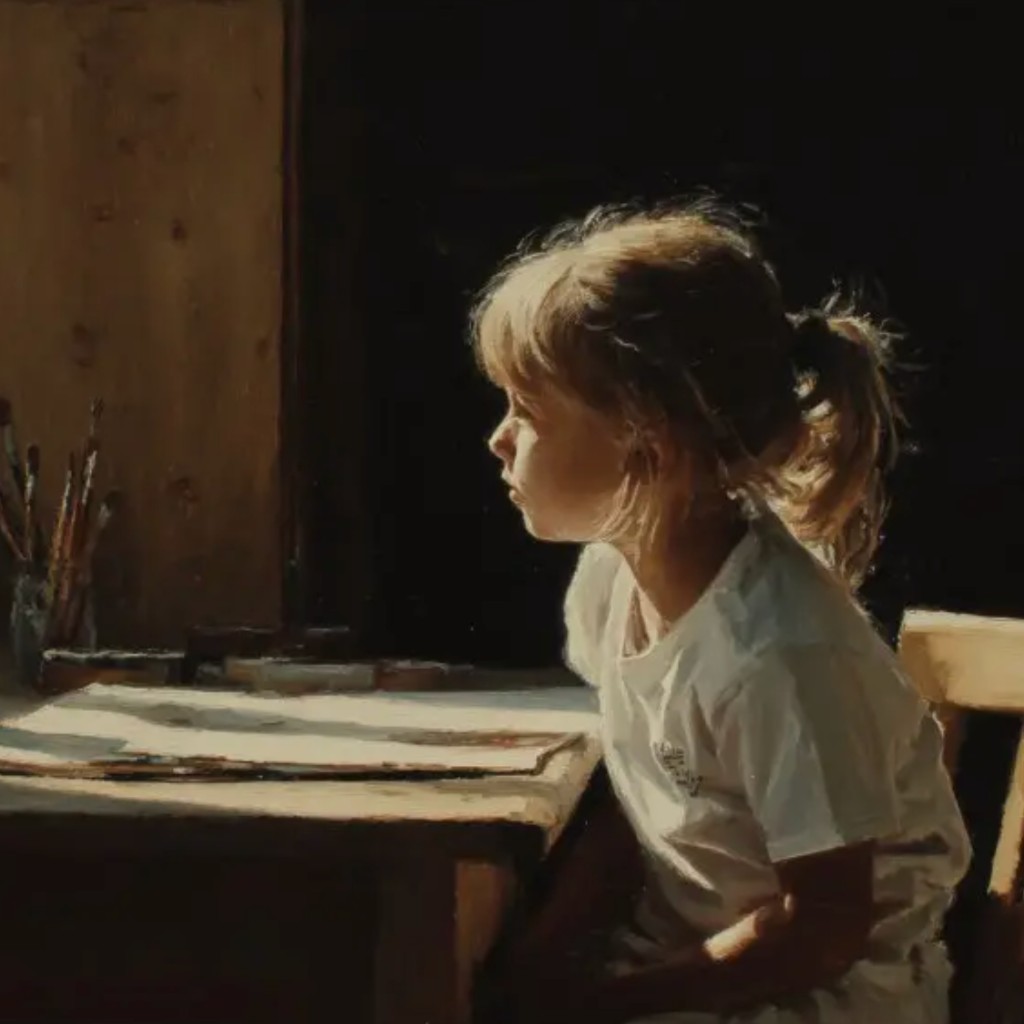
Sessions are one-on-one, 53 minutes, once a week, and follow your child's lead. Some days are full of making. Some are mostly play or movement. Some, especially with older kids and teens, are mostly talking. There's no right way to do it, and your child doesn't need to be "good at art."
Parents are part of the process, with regular check-ins about what you're seeing at home and what I'm seeing in the studio. Insurance and private pay options are available.
What Makes This Different
Many approaches to therapy with children focus on behavior: rewards, consequences, and changing what a child does. Those approaches have their place. The Stick Fort works differently. Rather than managing behavior on the surface, we look beneath a child's actions and words, to the feelings, wounds, and stressed parts that the behavior is speaking for, and tend to those directly. When what lies underneath is met and cared for, change on the surface often follows. Whether we name it trauma, stress, or simply life, everyone carries a story. It's always in there, and simply managing behavior doesn't make it go away.
Not a classroom, and not a clinic in the way you might picture one. The work is inspired by the Open Studio approach in art therapy, where the therapist makes art alongside the child, and the studio itself becomes the place of healing. Children create freely with their bodies, their imaginations, and real materials. They build worlds and tear them down again. They make messes, and the mess is often where the real work happens.
Rose is also trained in Developmental Transformations, an embodied form of drama therapy built on improvisation and play, where therapist and child move through shifting scenes, characters, and stories together, following whatever wants to emerge. Children are free to safely explore the complexity of their inner world. At its heart, this is witness work.

If you're looking for support for your child, something that meets them where they actually are, I'd welcome the chance to connect.