About Rose
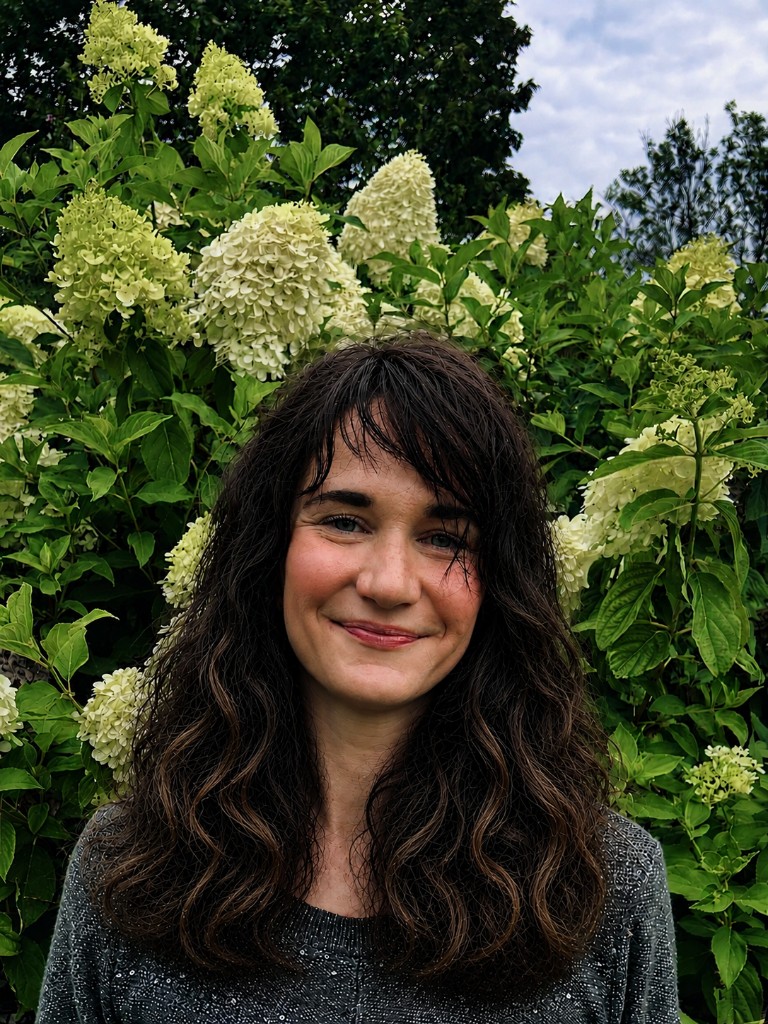
Rose Johnson is a Licensed Professional Clinical Counselor who has spent her career working with children, teens, and families across Minnesota, in schools, in homes, and outdoors.
Rose loves being with children. She holds a deep appreciation for both their joy and their unspoken confusion, longing, and worries. While therapy can touch the heaviest parts of a child's story, there's no reason it can't also be exciting, silly, and even fun. Rose trusts the intelligence of imagination and the wisdom of play. It's in the moments when a child enters a creative or playful flow that the deepest work happens.
Her clinical work has always lived where therapy meets art and motion. She is trained in Developmental Transformations, an embodied form of drama therapy built on improvisation, play, and presence. She has provided trauma-focused therapy in Minnesota schools, equine-assisted therapy outdoors, and in-home therapy with families.
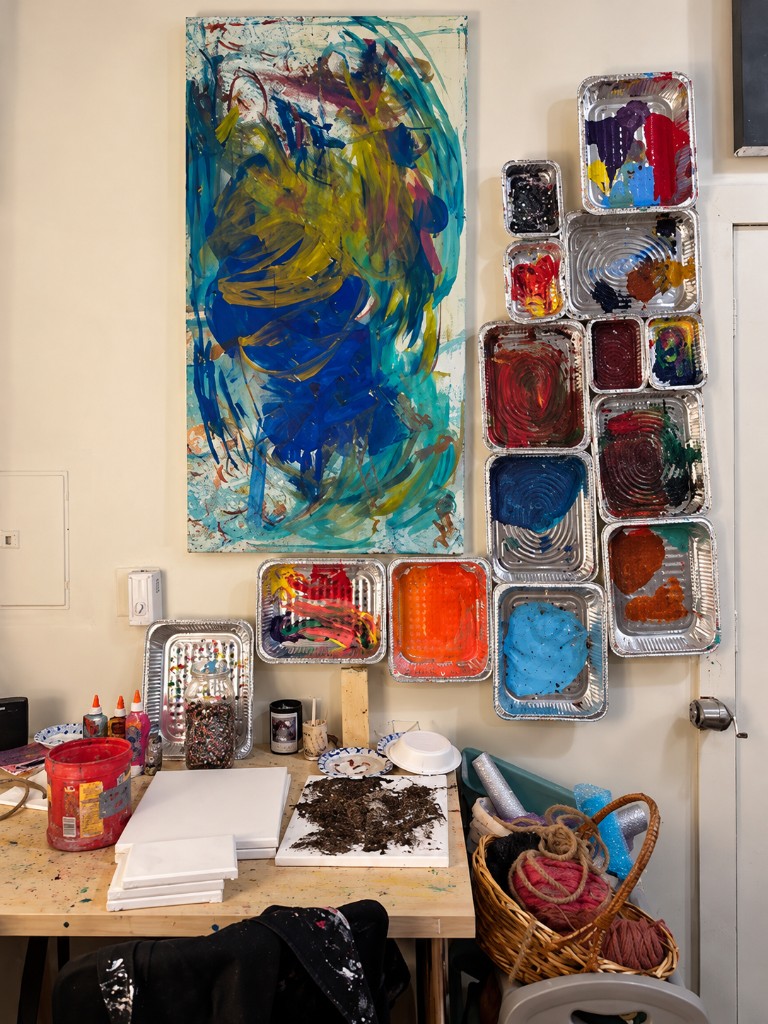
Rose is also a working artist, with an MFA from the School of the Art Institute of Chicago. Her work has been exhibited at the Minneapolis Institute of Art, and her life in the studio shapes how she trusts process, materials, and mess. Like a worn and broken toy cherished by a child, like the human heart, her artwork simultaneously breaks down and evolves.
Credentials
Licensure
- Licensed Professional Clinical Counselor (LPCC), Minnesota
Education
- Master of Arts, Counseling and Psychological Services, Saint Mary’s University of Minnesota
- Master of Fine Arts, School of the Art Institute of Chicago
Clinical Experience
Rose has spent her counseling career working with children, teens, and families in schools, homes, and outdoor settings across Minnesota. She worked as a school-based mental health therapist, using art, play, and drama in her work with students. With the Miss Kendra Program, she provided trauma-focused therapy in Minnesota schools grounded in Developmental Transformations, and trained teachers and staff to bring trauma-informed social emotional learning into their classrooms. Before that, she provided trauma-focused outpatient therapy through equine-assisted work at Acres for Life, and in-home family therapy with children and families.
Training
- Developmental Transformations, an embodied drama therapy model (2021 to 2025)
- Trauma-Focused Cognitive Behavioral Therapy (TF-CBT), Advanced Training
- Brainspotting, Phase 1
- Equine Assisted Growth and Learning Model
- Trauma-Focused Equine Assisted Therapy
- Perinatal Mental Health, Postpartum Support Minnesota
Why The Stick Fort?
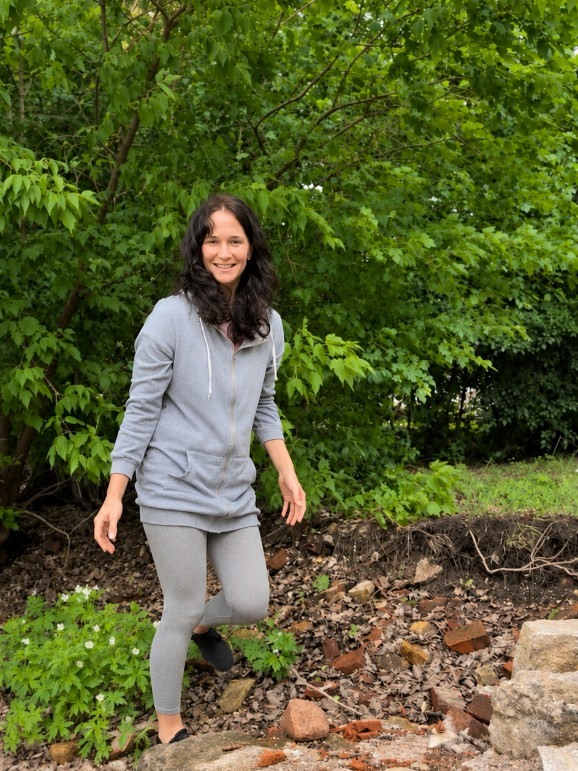
When I was a little girl, there was a seven-acre woods behind our house. The neighborhood kids and I built stick forts back there. Mine was pure magic.
I would run to it wild, and I would rest in it. I remember the feel of the dirt and sticks as I cleared the ground for its floor. I remember lying there for hours, watching dappled sunlight dance on the ground, until the light changed and darkness came. I can still smell it. It held all of my feelings. It held me. It still does. I still talk to that little girl.
We all carry a child inside who needs a stick fort. Somewhere to run to wild, to rest, and to be held. This is that place.
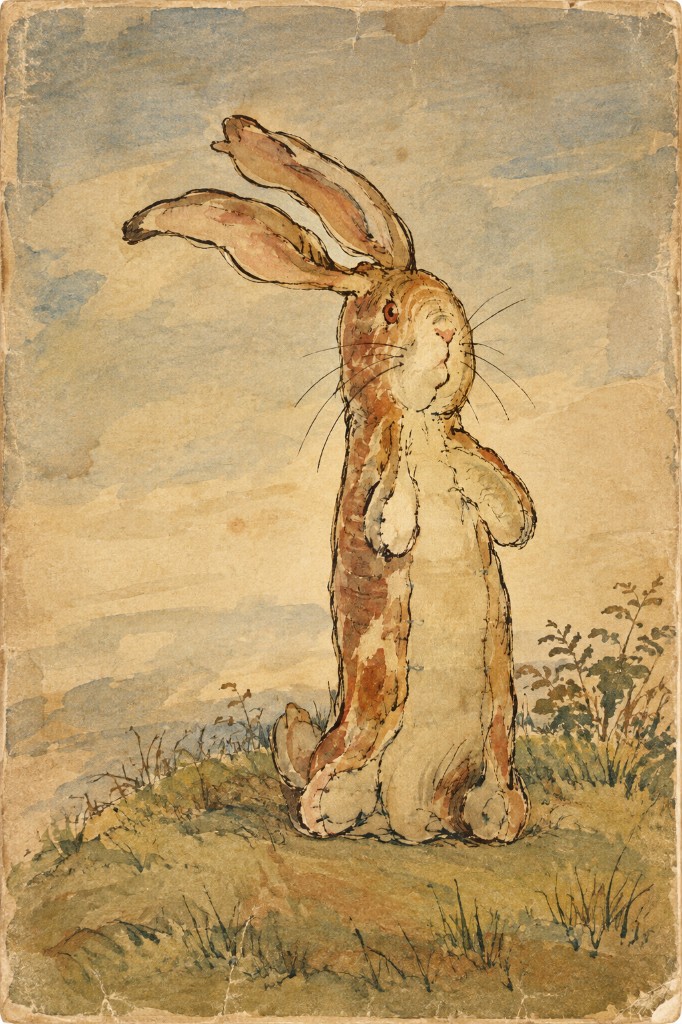
"Real isn't how you are made," said the Skin Horse. "It's a thing that happens to you. When a child loves you for a long, long time, not just to play with, but REALLY loves you, then you become Real." "Does it hurt?" asked the Rabbit. "Sometimes," said the Skin Horse, for he was always truthful. "When you are Real you don't mind being hurt." "Does it happen all at once, like being wound up," he asked, "or bit by bit?" "It doesn't happen all at once," said the Skin Horse. "You become. It takes a long time. That's why it doesn't happen often to people who break easily, or have sharp edges, or who have to be carefully kept. Generally, by the time you are Real, most of your hair has been loved off, and your eyes drop out and you get loose in the joints and very shabby. But these things don't matter at all, because once you are Real you can't be ugly, except to people who don't understand."